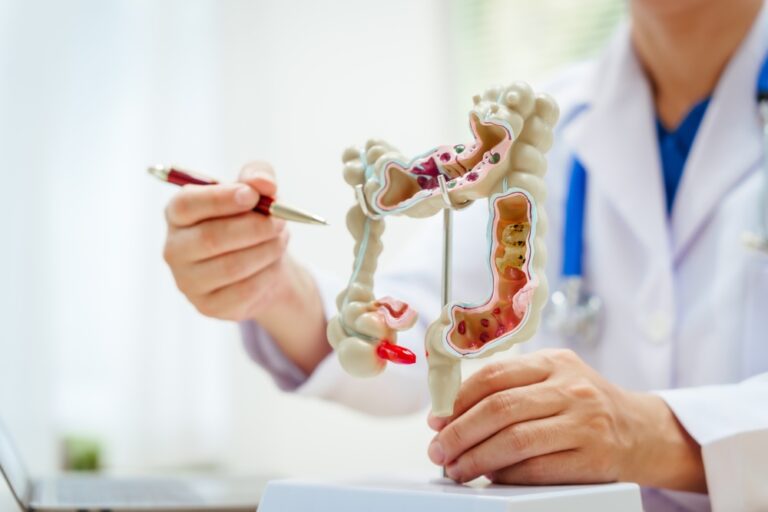
Understanding Colitis and Flare-ups
Colitis is a condition characterized by inflammation of the colon. These episodes can vary in intensity and frequency, influenced by factors such as diet, stress, and individual health conditions. Understanding the triggers and implementing effective management strategies are crucial to minimizing the impact of flare-ups and enhancing the quality of life for individuals affected by colitis.
Common Symptoms of a Flareup
During a flare-up of colitis, individuals may experience a range of symptoms that vary in severity. Common signs include persistent abdominal pain or cramping, frequent diarrhea that may contain blood or mucus, and a sense of urgency to have a bowel movement.
Fatigue is also a prevalent symptom, often accompanied by loss of appetite and unintended weight loss. Some individuals may experience fever or signs of dehydration due to the frequent loss of fluids. Recognizing these symptoms early is crucial for managing flare-ups effectively and seeking appropriate medical care when necessary.
Dietary Triggers to Watch For
For individuals managing gastrointestinal conditions, identifying and avoiding dietary triggers is crucial. Certain foods, such as high-fat or fried items, dairy products in those with lactose intolerance, and highly processed snacks, can exacerbate symptoms. Spicy foods and caffeine are also common triggers that may irritate the digestive tract.
Some individuals may be sensitive to artificial sweeteners or high-fiber foods, which can cause bloating or discomfort. Keeping a food diary and noting reactions can help pinpoint specific triggers, enabling better dietary choices and improved symptom management.
How Stress Can Contribute to Flare-ups
Stress plays a significant role in triggering and exacerbating symptoms for many individuals dealing with digestive disorders. When the body experiences stress, it activates the “fight or flight” response, which can disrupt normal digestive processes. The release of stress hormones, such as cortisol, can increase inflammation in the gut and alter the balance of gut bacteria, leading to heightened sensitivity or discomfort.
Stress can influence dietary habits, often leading to poor food choices or irregular eating patterns, which can further irritate the digestive system. Managing stress through techniques like mindfulness, exercise, or meditation can be beneficial in reducing the frequency and severity of flare-ups.
The Role of Infections and Illness
Infections and illnesses can significantly impact the digestive system and exacerbate existing gastrointestinal conditions. Pathogens, such as viruses, bacteria, or parasites, can disrupt the delicate balance of the gut microbiome, leading to symptoms including diarrhea, nausea, and abdominal pain.
Illnesses that cause systemic inflammation may worsen digestive issues by increasing immune system activity in the gut. Understanding the connection between infections and gut health is crucial for identifying triggers and implementing effective treatment strategies, such as probiotics or targeted antibiotics, to restore balance and alleviate symptoms.
Medication Noncompliance and Flare Risk
Medication noncompliance is a significant factor that can contribute to the worsening of gut-related conditions and the risk of flares. When individuals skip doses or discontinue prescribed treatments, it can disrupt the healing process or allow underlying issues to progress unchecked. For chronic conditions such as inflammatory bowel disease (IBD), medication adherence is essential for maintaining remission and preventing inflammation from spiraling out of control.
Noncompliance can also lead to the development of antibiotic resistance when dealing with infections, making future treatments less effective. Education about the importance of adhering to medication schedules and fostering open communication between patients and healthcare providers can help reduce these risks and promote better outcomes.
Environmental and Lifestyle Factors
Environmental and lifestyle factors play a significant role in influencing health outcomes, particularly for individuals managing chronic conditions like IBD. Exposure to pollutants, dietary habits, stress levels, and physical activity all contribute to the progression or management of the disease.
Additionally, factors such as smoking or prolonged exposure to harmful chemicals may exacerbate symptoms. Understanding and addressing these elements, in conjunction with medical treatment, enables patients to adopt a more comprehensive approach to their health management and potentially enhance their quality of life.
When To Talk to Your Doctor
It is essential to consult your doctor if you notice any persistent or worsening symptoms that may indicate complications or a lack of control over your condition. Warning signs such as severe pain, unusual fatigue, significant weight changes, or new symptoms should not be ignored.
Regular check-ups are also essential, as they allow your healthcare provider to monitor your progress and make adjustments to your treatment plan if necessary. Open communication with a professional at Allied Digestive Health ensures you receive the support and care needed to manage your health effectively.