Autumn brings a beautiful abundance of fresh produce, from crisp apples and pears to hearty squashes, sweet potatoes, and dark leafy greens. Beyond being comforting and delicious, these seasonal foods are packed with the fiber, vitamins, and antioxidants that support good digestion and overall wellness. Building balanced meals around fall produce is one of the most enjoyable ways to nourish your body as the weather cools. This guide walks through what makes a meal balanced, the best fall fruits and vegetables to reach for, easy ways to work them into your day, and simple cooking and shopping tips to help you get the most out of the season.
Why Seasonal Fall Produce Supports Better Nutrition
Eating with the seasons is a simple way to keep your plate varied, flavorful, and nutrient-rich. Fall produce is harvested at its peak, which often means better taste and freshness, and the autumn harvest happens to be especially rich in the fiber and nutrients that support digestive health. Seasonal shopping also tends to be more affordable and encourages you to rotate the foods you eat, which naturally broadens the range of nutrients you take in. From vitamin-rich squashes to fiber-packed apples and greens, fall’s offerings make it easy to eat well. Embracing what is in season is both a practical and delicious foundation for balanced, wholesome meals.
What Makes a Meal Balanced?
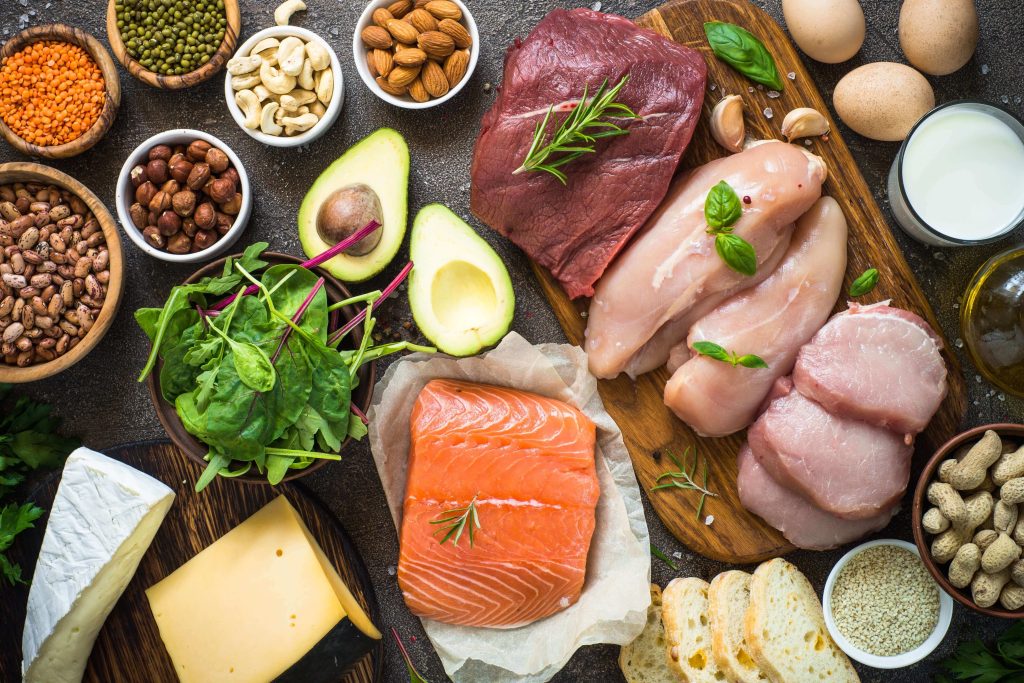
A balanced meal brings together the different components your body needs in reasonable proportions. A helpful approach is to fill about half your plate with vegetables and fruits, a quarter with a quality protein such as fish, poultry, eggs, beans, or tofu, and the remaining quarter with a whole grain or starchy vegetable, adding a source of healthy fat like olive oil, nuts, or seeds. This mix provides fiber, vitamins, minerals, protein, and lasting energy, and it helps keep you satisfied. Fall produce fits naturally into this picture, adding color and nutrients to the vegetable and fruit portion. Rather than focusing on any single superfood, balance and variety across the whole plate are what truly support good nutrition.
Best Fall Fruits and Vegetables for Healthy Meals
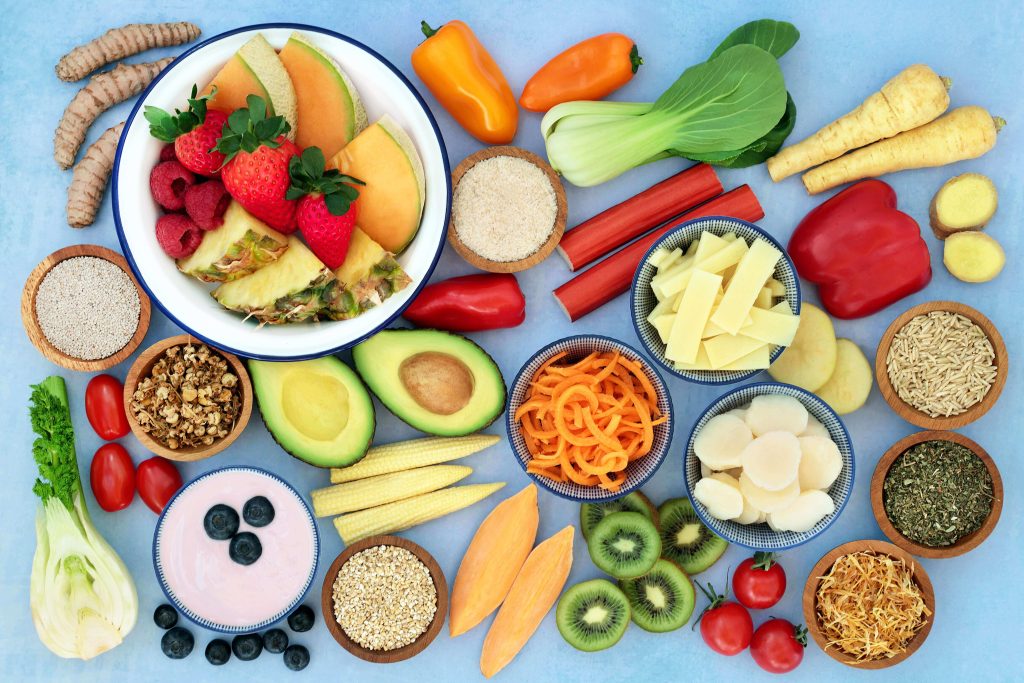
Autumn offers a wonderful range of nutritious produce to build meals around. Winter squashes like butternut and acorn, along with pumpkin and sweet potatoes, are rich in fiber and beta-carotene, which the body uses to make vitamin A. Apples and pears provide fiber and a naturally sweet finish to meals. Cruciferous vegetables such as Brussels sprouts, cauliflower, and broccoli deliver fiber and beneficial plant compounds, while dark leafy greens like kale and Swiss chard are nutrient powerhouses. Carrots, beets, and parsnips add earthy sweetness and nutrients, and cranberries bring antioxidants. Choosing a colorful variety of these foods is an easy way to cover a broad spectrum of nutrients throughout the season.
Easy Ways to Add More Fall Produce to Your Meals
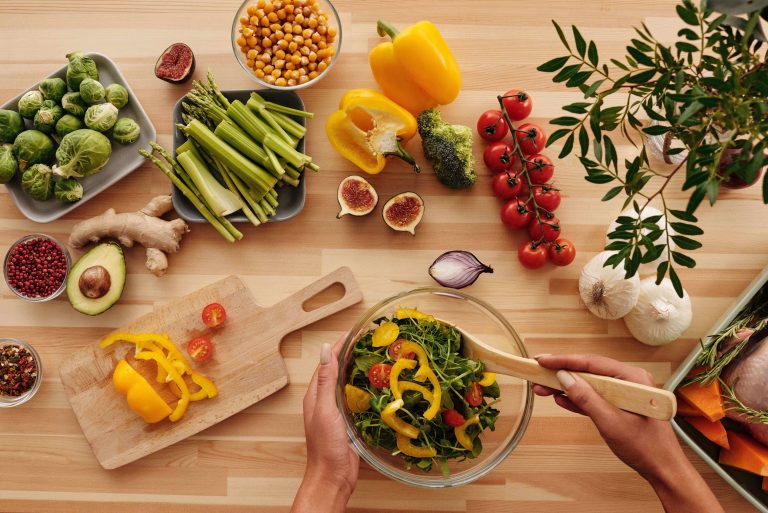
Working more fall produce into your day does not require elaborate recipes. Add spinach or kale to soups, omelets, and smoothies; stir roasted squash or sweet potato into grain bowls and salads; and keep apples and pears on hand for easy, fiber-rich snacks. Blend cooked pumpkin into oatmeal or yogurt, or roast a tray of mixed vegetables to have ready for quick meals throughout the week. Swapping in a seasonal vegetable as a side, or bulking up a familiar dish with extra produce, adds nutrition without much effort. Small, consistent additions like these are often more sustainable than a complete overhaul, and they add up to meaningfully better meals.
Fall Meal Ideas for Breakfast, Lunch, and Dinner
A day of balanced fall eating might start with oatmeal topped with diced apple, cinnamon, and a spoonful of nut butter, or eggs with sauteed greens and whole-grain toast. For lunch, a hearty salad or grain bowl with roasted butternut squash, leafy greens, chickpeas or grilled chicken, and a simple vinaigrette makes a satisfying, nutrient-dense option. Dinner could feature baked salmon with roasted Brussels sprouts and sweet potato, or a warming vegetable and lentil soup served with whole-grain bread. Snacks like a pear with a handful of walnuts round things out. Each of these meals pairs seasonal produce with protein, whole grains, and healthy fats, creating the kind of balance that keeps you nourished and energized.
How Seasonal Eating Supports Gut Health and Immunity
The fiber-rich nature of fall produce is a gift to your gut. Dietary fiber adds bulk to stool and supports regular, comfortable digestion, and it also serves as fuel for the beneficial bacteria in your gut microbiome, which play a role in overall health. A diverse, plant-forward diet encourages a diverse community of gut bacteria, which is generally considered a marker of good gut health. Fall produce also delivers nutrients that support the immune system, such as vitamin C from many vegetables and fruits and vitamin A from orange and dark green produce. Eating a colorful variety of seasonal fruits and vegetables is a simple, enjoyable way to support both your digestion and your body’s natural defenses as cold-and-flu season approaches.
Healthy Cooking Methods for Fall Produce
How you prepare fall produce affects both its nutrition and its flavor. Roasting is a favorite for autumn vegetables because it brings out their natural sweetness with just a little olive oil and seasoning, no heavy sauces required. Steaming and sauteing are quick, gentle methods that preserve nutrients and texture, and adding vegetables to soups and stews lets you enjoy their flavor along with the nutrient-rich broth. Try to go easy on additions that can turn a healthy dish heavy, such as large amounts of butter, cream, cheese, or added sugar. Using herbs, spices, citrus, and a modest drizzle of good oil lets the produce shine while keeping meals both nourishing and delicious.
Meal Prep and Grocery Shopping Tips for Autumn
A little planning makes healthy fall eating far easier. When shopping, choose a colorful mix of seasonal produce and buy hardy vegetables like squash, sweet potatoes, and root vegetables, which store well for a week or more. Set aside some time to wash, chop, and roast a batch of vegetables at the start of the week so they are ready to add to meals. Cooking a pot of soup or a tray of roasted vegetables in advance gives you a nutritious base for quick lunches and dinners. Keeping ready-to-eat fruit visible on the counter encourages healthy snacking. These simple habits reduce last-minute stress and make it much more likely that balanced, produce-rich meals become your everyday routine.
Common Mistakes That Can Make “Healthy” Fall Meals Less Nutritious
Even well-intentioned fall meals can lose some of their nutritional value through a few common missteps. Drowning roasted vegetables in butter or heavy cheese, or turning naturally healthy produce into sugar-laden desserts, can offset their benefits. Relying too heavily on starchy comfort foods while skimping on vegetables and protein throws off the balance of the plate. Overcooking vegetables until they are mushy can reduce both their appeal and some of their nutrients, and very large portions of even healthy foods can add up. Sugary seasonal drinks are another easy trap. The fix is not to give up the comforts of the season but to enjoy them mindfully, keeping the focus on whole produce, balanced plates, and reasonable portions.
Create Nourishing Fall Meals All Season Long
Eating well in autumn is less about strict rules and more about building enjoyable, sustainable habits around the season’s best foods. Aim for balanced plates that combine plenty of colorful produce with protein, whole grains, and healthy fats, and let variety guide your choices from week to week. Lean on simple cooking methods, keep prepped produce on hand, and treat the occasional indulgence as part of a balanced approach rather than something to feel guilty about. Over time, these small, consistent choices support steady energy, comfortable digestion, and overall wellness. With a little planning and the abundance of fall produce available, nourishing, satisfying meals are well within reach all season long.
When to See a Gastroenterologist
Good nutrition supports digestive health, but it cannot resolve every issue on its own. If you experience ongoing digestive symptoms such as persistent bloating, abdominal pain, constipation, or diarrhea that do not improve with dietary changes, it is worth seeing a gastroenterologist. You should also seek care for warning signs that are not explained by diet, including blood in the stool, unexplained weight loss, difficulty swallowing, or symptoms that wake you at night. A specialist can evaluate your symptoms, identify any underlying conditions, and help you build a plan tailored to your needs. Pairing a nourishing, produce-rich diet with professional guidance when needed gives you the strongest foundation for lasting digestive wellness. For education only, not medical advice.
Call To Action
If you want to build healthier, gut-friendly eating habits this fall, ADH Total Wellness is here to help. Our team can create a personalized nutrition plan that fits your goals and your life. Request an appointment today to start your journey to better digestive health.
Citations
MedlinePlus (National Library of Medicine) – Nutrition.
https://medlineplus.gov/nutrition.html
MedlinePlus (National Library of Medicine) – Dietary Fiber.
https://medlineplus.gov/dietaryfiber.html
NIDDK (National Institute of Diabetes and Digestive and Kidney Diseases) – Eating, Diet, & Nutrition (fiber and digestive health).
https://www.niddk.nih.gov/health-information/digestive-diseases/constipation/eating-diet-nutrition
For education only, not medical advice.