When it comes to keeping your digestive system healthy, few nutrients matter as much as fiber. Yet most Americans eat far less dietary fiber than they need. Adding more high fiber foods to your meals can help keep bowel movements regular, support a healthy gut, and offer health benefits that reach well beyond digestion. Here’s what to know about fiber and how to make it part of your everyday routine.
Why Fiber Is Essential for Digestive Health
Dietary fiber is the part of plant foods your body can’t fully digest. Unlike fats, proteins, and most carbohydrates, which are broken down and absorbed, fiber passes through your digestive tract largely intact. Along the way, it does important work.
Fiber helps prevent constipation, supports regular bowel movements, and feeds the healthy bacteria that live in your gut. A diet rich in fiber has also been linked to lower cholesterol levels, better blood sugar control, a healthier body weight, and a reduced risk of heart disease, type 2 diabetes, and colorectal cancer.
Understanding Soluble vs. Insoluble Fiber
There are two main types of fiber, and each plays a different role:
- Soluble fiber dissolves in water and forms a gel-like substance in your gut. It helps slow digestion, keeps you feeling full, and can help lower cholesterol levels and stabilize blood sugar. Good sources include oats, barley, beans, lentils, apples, citrus fruits, carrots, and chia seeds.
- Insoluble fiber does not dissolve in water. It adds bulk to stool and helps food move through your digestive system more easily. You’ll find it in whole wheat, bran, nuts, and many fruits and vegetables, especially their skins.
Most plant foods contain a mix of both types of fiber, so eating a variety of fruits, vegetables, whole grains, and legumes is the best way to get the benefits of each.
High-Fiber Foods to Add to Your Diet
Many delicious, everyday foods are packed with fiber. Here are some excellent choices and the approximate grams of fiber in each serving:
| Food |
Serving |
Fiber (approx. grams) |
| Lentils, cooked |
1 cup |
15 |
| Black beans, cooked |
1 cup |
15 |
| Chia seeds |
2 tablespoons |
10 |
| Raspberries |
1 cup |
8 |
| Whole-wheat pasta, cooked |
1 cup |
6 |
| Pear, with skin |
1 medium |
5.5 |
| Broccoli, cooked |
1 cup |
5 |
| Avocado |
½ fruit |
5 |
| Apple, with skin |
1 medium |
4.5 |
| Oatmeal, cooked |
1 cup |
4 |
| Almonds |
1 ounce (about 23 nuts) |
3.5 |
| Popcorn, air-popped |
3 cups |
3.5 |
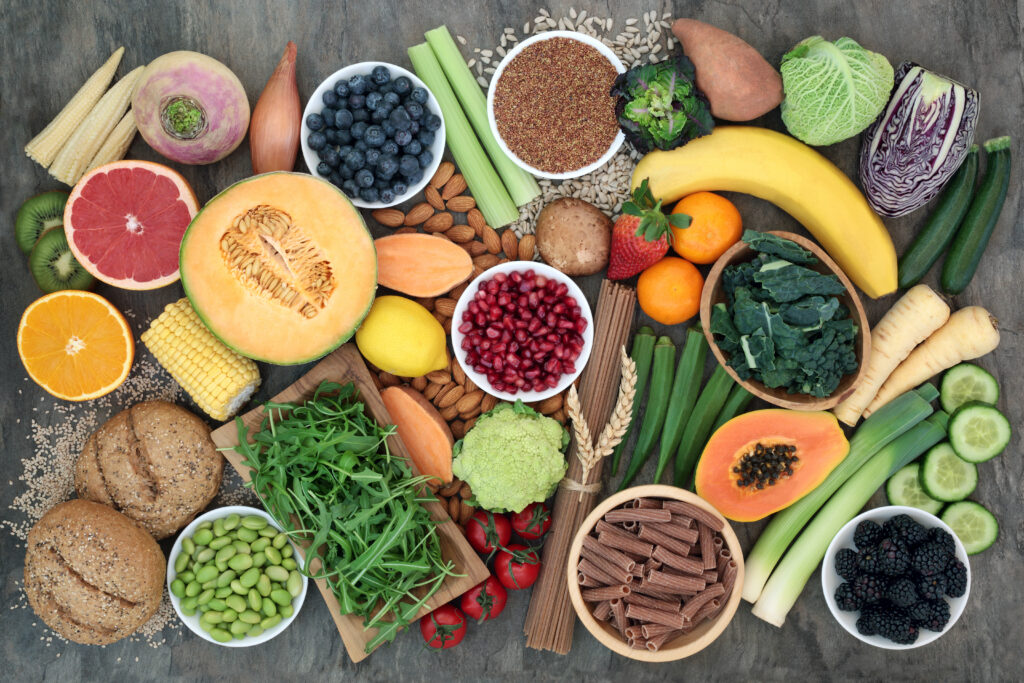
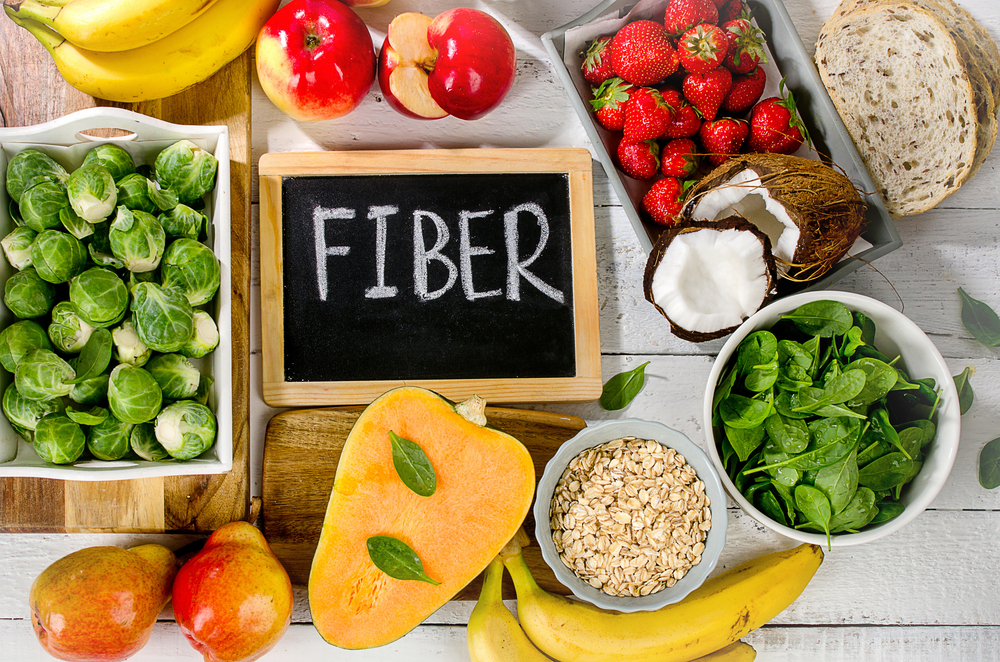
Other great options include split peas, chickpeas, quinoa, brown rice, sweet potatoes, Brussels sprouts, carrots, and berries of all kinds.
How Fiber Supports Healthy Digestion and Regular Bowel Movements
As foods high in fiber pass through your digestive tract, they absorb water and add bulk to stool. This makes stool softer and easier to pass, which helps prevent constipation and reduces straining. Fiber can also help firm up loose stools by absorbing excess water.
Fiber is also food for the trillions of beneficial bacteria in your colon. When these bacteria ferment fiber, they produce short chain fatty acids. These compounds help nourish the cells lining your colon, reduce inflammation, and support a strong intestinal barrier.
Over time, a high-fiber diet may lower the risk of digestive problems such as hemorrhoids and diverticular disease.
How Much Fiber Do You Need Each Day?
General guidelines recommend about 14 grams of fiber for every 1,000 calories you eat. For most adults, that works out to:
- Women: about 21 to 25 grams of fiber per day
- Men: about 30 to 38 grams of fiber per day
Needs tend to be slightly lower after age 50. Most people fall short, averaging only about 15 grams a day. Your ideal fiber intake may vary depending on your age, health conditions, and digestive symptoms, so talk with your doctor if you’re unsure what’s right for you.
Tips for Increasing Fiber Intake Gradually
Adding too much fiber too quickly can cause gas, bloating, and cramping. Increasing your fiber intake gradually gives your digestive system time to adjust. Try these tips:
- Go slow. Add a few grams of fiber every few days over several weeks.
- Drink plenty of water. Fluids help fiber pass through your digestive system smoothly and keep stool soft.
- Start your day with fiber. Choose oatmeal, a high-fiber cereal, or whole-grain toast topped with fruit or chia seeds.
- Make half your grains whole. Swap white bread, rice, and pasta for whole-grain versions.
- Add beans and lentils. Toss them into soups, salads, tacos, and pasta dishes.
- Snack smart. Reach for fruit, raw vegetables, nuts, or popcorn instead of chips or sweets.
- Keep the skins on. Many fruits and vegetables hold much of their fiber in the peel.
Can Fiber Supplements Help?
Whole foods are the best source of fiber because they also provide vitamins, minerals, and other nutrients. Still, fiber supplements can be helpful if you have trouble getting enough fiber from your diet alone.
Common options include psyllium, methylcellulose, wheat dextrin, and inulin. Psyllium, a soluble fiber, is one of the most studied and may help with both constipation and diarrhea. As with food, start with a small dose, increase slowly, and drink plenty of water.
Fiber supplements can affect how some medications are absorbed. Talk with your doctor or pharmacist before starting one, especially if you take prescription medications or have a digestive condition.
When to Talk to a Gastroenterologist About Digestive Symptoms
For most people, eating more fiber leads to better digestion. But if you’ve made changes to your diet and still have ongoing symptoms, it may be time to see a specialist. Talk to a gastroenterologist if you experience:
- Constipation or diarrhea that lasts more than a few weeks
- Persistent bloating, gas, or abdominal pain, even with gradual fiber changes
- Blood in your stool or black, tarry stools
- Unexplained weight loss
- A sudden change in your bowel habits
People with certain conditions, such as irritable bowel syndrome, inflammatory bowel disease, or a history of bowel obstruction, may need a personalized approach to fiber. The board-certified gastroenterologists at Allied Digestive Health can help identify the cause of your symptoms and create a plan that supports your digestive health. Schedule an appointment today.
Sources