Your digestive system is home to trillions of microorganisms, collectively known as the gut microbiome. This complex ecosystem of bacteria, viruses, and fungi plays a critical role in your overall health, influencing everything from digestion and immunity to mood and metabolism. The food you eat is the primary fuel for this ecosystem, meaning your dietary choices directly shape its composition and function.
Why Gut Health Depends on What You Eat
The food you consume provides the building blocks for your entire body, including the vast community of intestinal bacteria living in your gut. These microbes feed on what you eat, particularly components your body can’t digest on its own, like dietary fiber.
When beneficial bacteria ferment fiber, they produce compounds called short-chain fatty acids (SCFAs). These SCFAs are superstars for your health; they serve as the main energy source for the cells lining your colon, strengthen the gut barrier, reduce inflammation, and help maintain digestive balance.
A diet rich in diverse, whole foods supports a wide variety of good bacteria, a state known as high microbiota diversity. In contrast, a diet high in processed foods, sugar, and unhealthy fats can feed less desirable bacteria, leading to an imbalance (dysbiosis) that may contribute to chronic health issues.
How Popular Diets Affect Gut Health
Many popular diets can have a significant, and sometimes unintended, impact on your gut microbiome.
- Mediterranean Diet: This diet, rich in fruits, vegetables, whole grains, legumes, and healthy fats like olive oil, is consistently linked to greater microbiota diversity. Its emphasis on plant-based foods provides plenty of prebiotics—a type of dietary fiber that feeds beneficial gut bacteria.
- Plant-Based Diet: A well-planned vegetarian or vegan diet is naturally a high-fiber diet, which is excellent for producing beneficial short-chain fatty acids. Studies show that individuals following a plant-based diet often have a gut environment that is less inflammatory.
- Ketogenic Diet: The ketogenic diet, which is very low in carbohydrates and high in fat, drastically reduces the intake of fiber-rich fruits, whole grains, and legumes. This can lead to a decrease in microbiota diversity and a reduction in the production of beneficial SCFAs. While it may have therapeutic benefits for certain conditions, its long-term impact on gut health requires careful consideration.
- Low-Carb Diet: Similar to the keto diet, a general low-carb diet can limit the variety of plant fibers available to your gut microbes. This can alter the composition of your intestinal bacteria and potentially increase the abundance of microbes that thrive on fats and proteins rather than fiber.
Signs Your Diet May Be Hurting Your Gut
Your body often sends clear signals when your diet is negatively affecting your gut health. Paying attention to these signs is crucial for making necessary adjustments.
Common digestive symptoms of an unhappy gut include:
- Excessive gas, bloating, and abdominal discomfort.
- Chronic constipation or diarrhea.
- Heartburn and acid reflux.
Beyond the gut, other signs can emerge:
- Unexplained Fatigue: An imbalanced gut can interfere with nutrient absorption and contribute to inflammation, both of which can leave you feeling drained.
- Skin Issues: Conditions like eczema, acne, and psoriasis have been linked to gut dysbiosis.
- Food Cravings: An overgrowth of certain bacteria can lead to intense cravings for sugary and processed foods.
- Mood Disturbances: The gut-brain axis means that an unhealthy gut can contribute to feelings of anxiety or depression.
How to Improve Gut Health Through Diet
Improving your gut health doesn’t require a perfect diet, but rather a consistent effort to nourish your microbiome. The goal is to foster digestive balance through smart food choices.
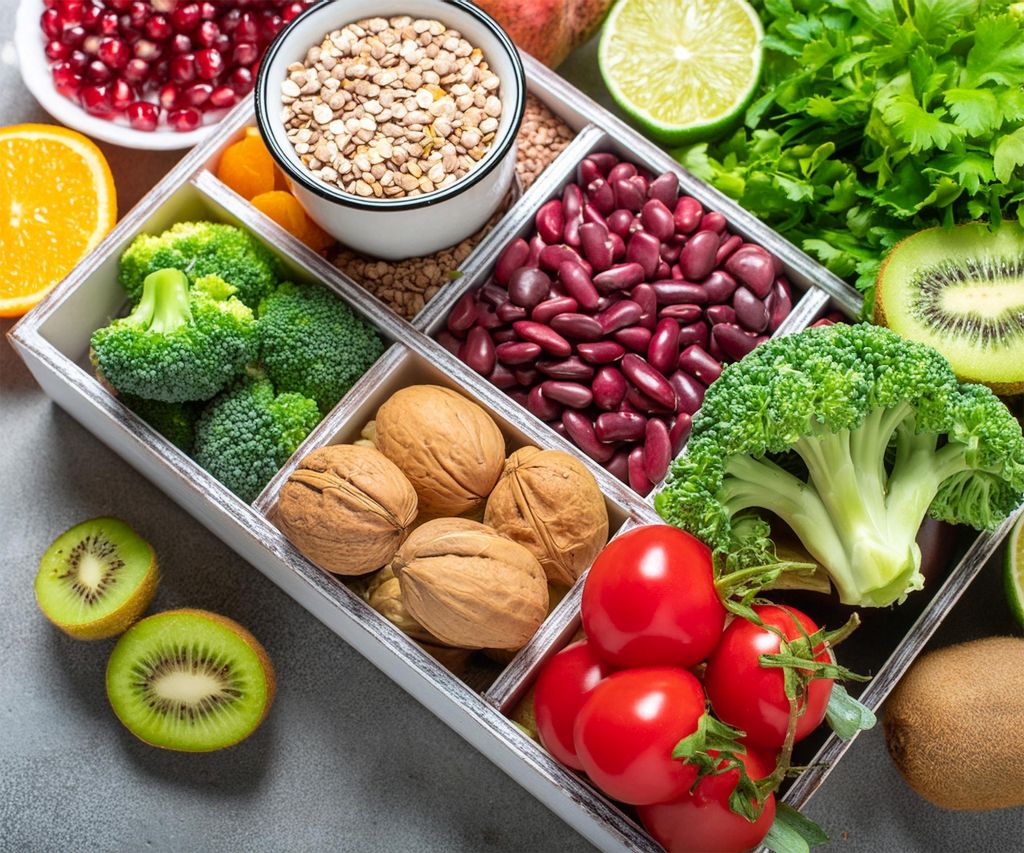
- Prioritize a High-Fiber Diet: aim to consume a wide variety of plant foods to increase dietary fiber intake. Fiber is the preferred food for beneficial intestinal bacteria. Sources include whole grains, legumes, nuts, seeds, fruits, and vegetables.
- Incorporate Prebiotics: Prebiotics are specific types of fiber that are especially good at promoting the growth of healthy bacteria. Excellent sources include onions, garlic, leeks, asparagus, bananas, and oats.
- Add Probiotics to Your Diet: Probiotics are live beneficial bacteria found in fermented foods. They can help restore balance to your gut microbiome. Include foods like yogurt (with live active cultures), kefir, kimchi, sauerkraut, and kombucha in your diet.
- Limit Processed Foods: Foods high in sugar, unhealthy fats, and artificial additives can promote the growth of less desirable bacteria and increase inflammation. Focus on whole, unprocessed foods as much as possible.
- Eat a Diverse Range of Foods: Greater microbiota diversity is linked to better health. Instead of eating the same few “healthy” foods every day, try to incorporate a wide rainbow of fruits and vegetables into your meals each week.
Diet and Gut Health FAQs
Q: Do I need to take a probiotic supplement?
A: While supplements can be helpful in certain situations (like after a course of antibiotics), most people can support their gut health effectively by eating foods rich in probiotics and prebiotics. It’s often better to get your nutrients from whole foods.
Q: How long does it take to improve gut health through diet?
A: Your gut microbiome can begin to change within just a few days of altering your diet. However, establishing lasting, positive changes and achieving digestive balance typically takes several weeks to months of consistent effort.
Q: Can a healthy gut help with weight loss?
A: Yes, a balanced gut microbiome plays a role in regulating metabolism, appetite, and fat storage. While not a panacea, improving gut health can be a supportive component of a healthy weight-management plan.
When to See a Gastroenterologist
While dietary changes can resolve many minor digestive issues, some situations require expert medical attention. It’s time to see a gastroenterologist if you experience persistent or severe digestive symptoms.
These “red flag” symptoms include:
- Unexplained weight loss.
- Blood in your stool.
- Severe abdominal pain.
- Chronic diarrhea or constipation that doesn’t improve with lifestyle changes.
- Difficulty swallowing.
A gastroenterologist can perform diagnostic tests to rule out or identify underlying conditions like inflammatory bowel disease (IBD), celiac disease, or other serious gastrointestinal disorders.
When To Talk to Your Doctor
You should consult with your primary care doctor, a registered dietitian, or a doctor at Allied Digestive Health, before making drastic changes to your diet, especially if you have a pre-existing health condition. They can help you create a safe and effective eating plan that supports both your gut health and your overall wellness goals. If your digestive symptoms are impacting your quality of life, a conversation with a healthcare professional is the best next step.