


How to Make Colonoscopy Prep Easier
For many people, the hardest part of a colonoscopy isn’t the procedure itself. It’s the bowel prep the day before. The good news is that colonoscopy prep has become easier to manage, and a little planning goes a long way.

Avoiding Dehydration with IBS
Living with irritable bowel syndrome (IBS) means paying close attention to what you eat, how you feel, and how your body responds day to day. One factor that often gets overlooked is hydration.

Daily Habits to Reduce Risk of Colorectal Cancer
Colorectal cancer prevention is a crucial aspect of maintaining overall health. By adopting certain daily habits, you can significantly reduce your risk of developing this common cancer.

How to Get Enough Fiber With IBS
Managing irritable bowel syndrome (IBS) can be challenging, especially when it comes to dietary choices. One crucial aspect is understanding how to get enough fiber with IBS. Fiber plays a significant role in digestive health, but not all types of fiber are suitable for everyone with IBS.
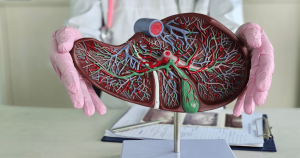
How a Gastroenterologist Helps with Liver Problems
A gastroenterologist plays a crucial role in managing liver health, addressing conditions such as fatty liver disease, hepatitis, and cirrhosis. These specialists are equipped to diagnose and treat liver issues, ensuring optimal digestive health.

How to Feel Relief From IBS-C
Irritable Bowel Syndrome with Constipation (IBS-C) can be a challenging condition to manage, but finding relief from IBS-C is possible with the right approach. Understanding the condition, making dietary adjustments, and exploring treatment options can help alleviate symptoms.

How IBS Can Affect Your Weight
If you live with irritable bowel syndrome (IBS), you may have noticed changes in your weight that seem tied to your symptoms, whether it is unexpected gain, unwanted loss, or the frustrating bloat that makes your weight feel like a moving target. IBS does not directly cause major weight changes the way some conditions do

Link Between Ulcerative Colitis and Colorectal Cancer
If you have ulcerative colitis, you may have heard that it can raise your risk of colorectal cancer, and that can be worrying to think about. The reassuring reality is that most people with ulcerative colitis never develop colorectal cancer, and the tools to manage that risk are effective and well established